
paper
How to Specify Recycled-Content Paper for Printed Products
Specify recycled-content paper by documented grade and performance requirements, not percentage alone. Cover fibre claims, printability, finishing and approval checks.

DIGIPAPERS SECTION
Paper grades, surface treatments, weights and performance explained.
Specify recycled-content paper by documented grade and performance requirements, not percentage alone. Cover fibre claims, printability, finishing and approval checks.
How paper moisture and pressroom climate affect curl, registration, feeding, static, printing and converting, with practical conditioning checks.
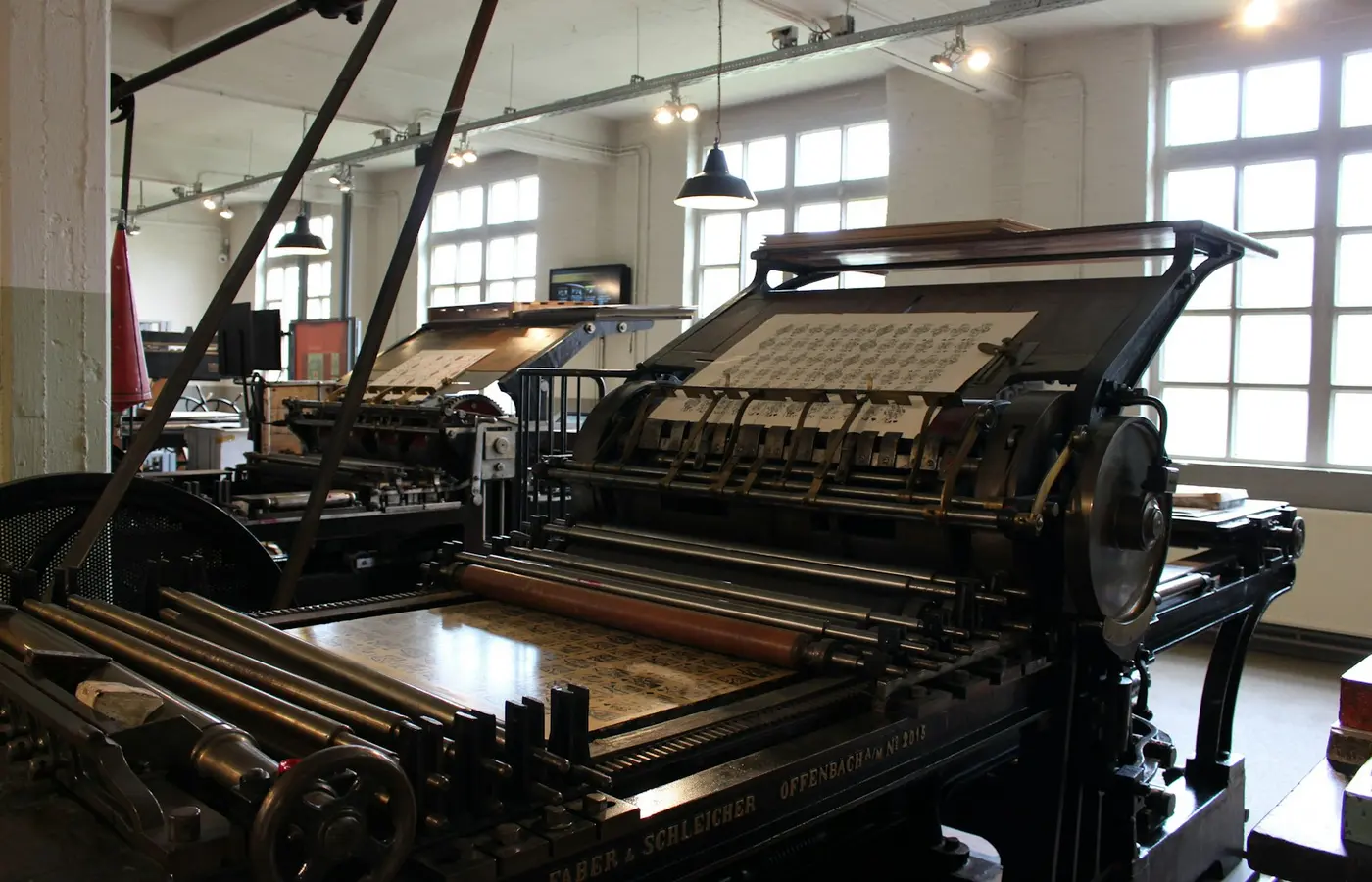
Learn how internal and surface paper sizing influence ink absorption, holdout, print appearance, and drying across printing processes.

Paper formation is local fibre and mass uniformity. Learn how it can affect print mottle, opacity variation, strength and press behaviour.
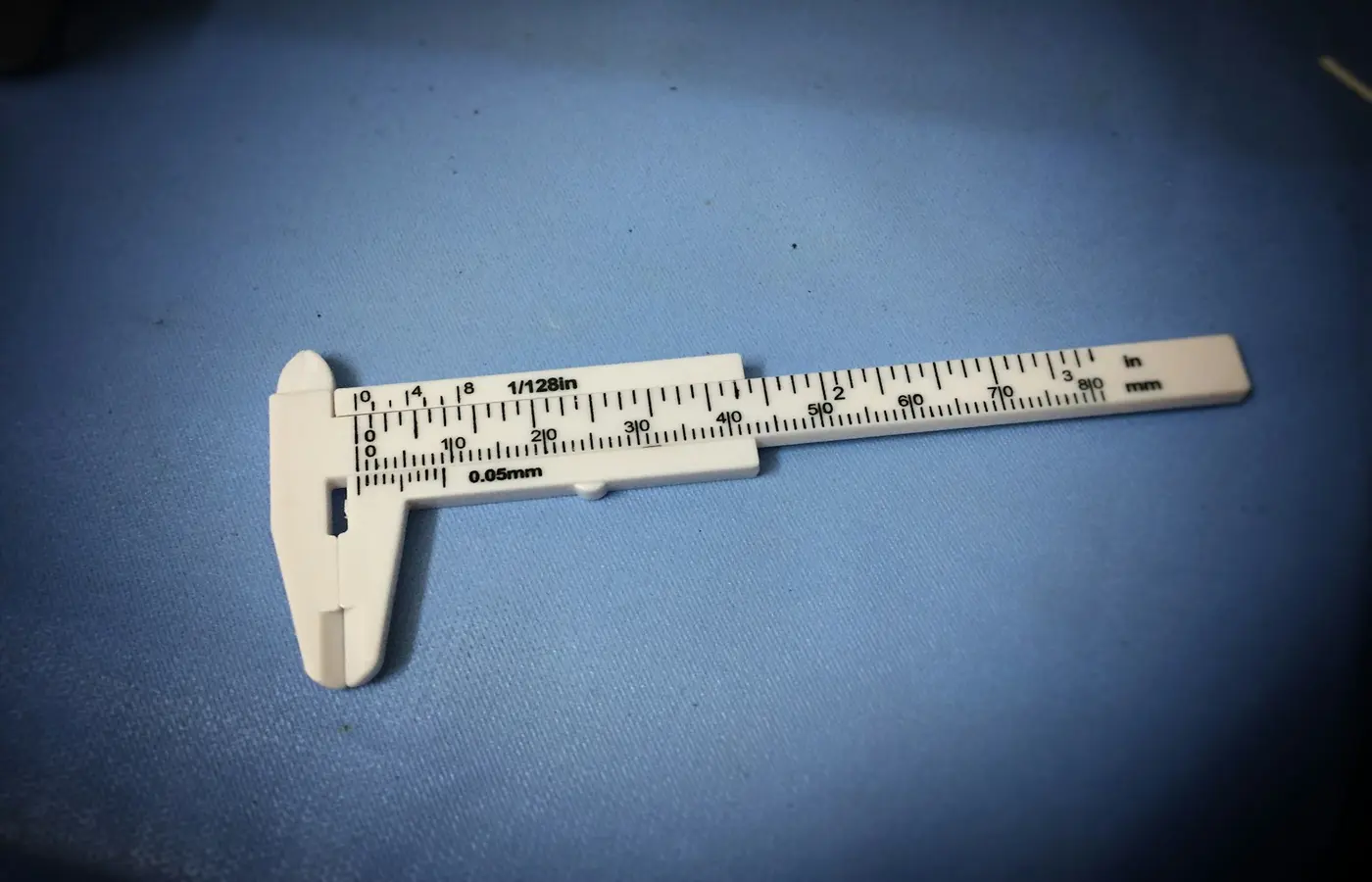
Learn how paper bulk, caliper, grammage, and stiffness differ, what to specify to suppliers, and how to verify performance in a job-relevant trial.

Learn how paper grain direction affects folding, binding, stiffness, feeding, and product shape, plus what to confirm before production approval.

Control paper moisture exposure through storage, acclimation, packaging, and production checks to reduce curl, register movement, and feeding instability.
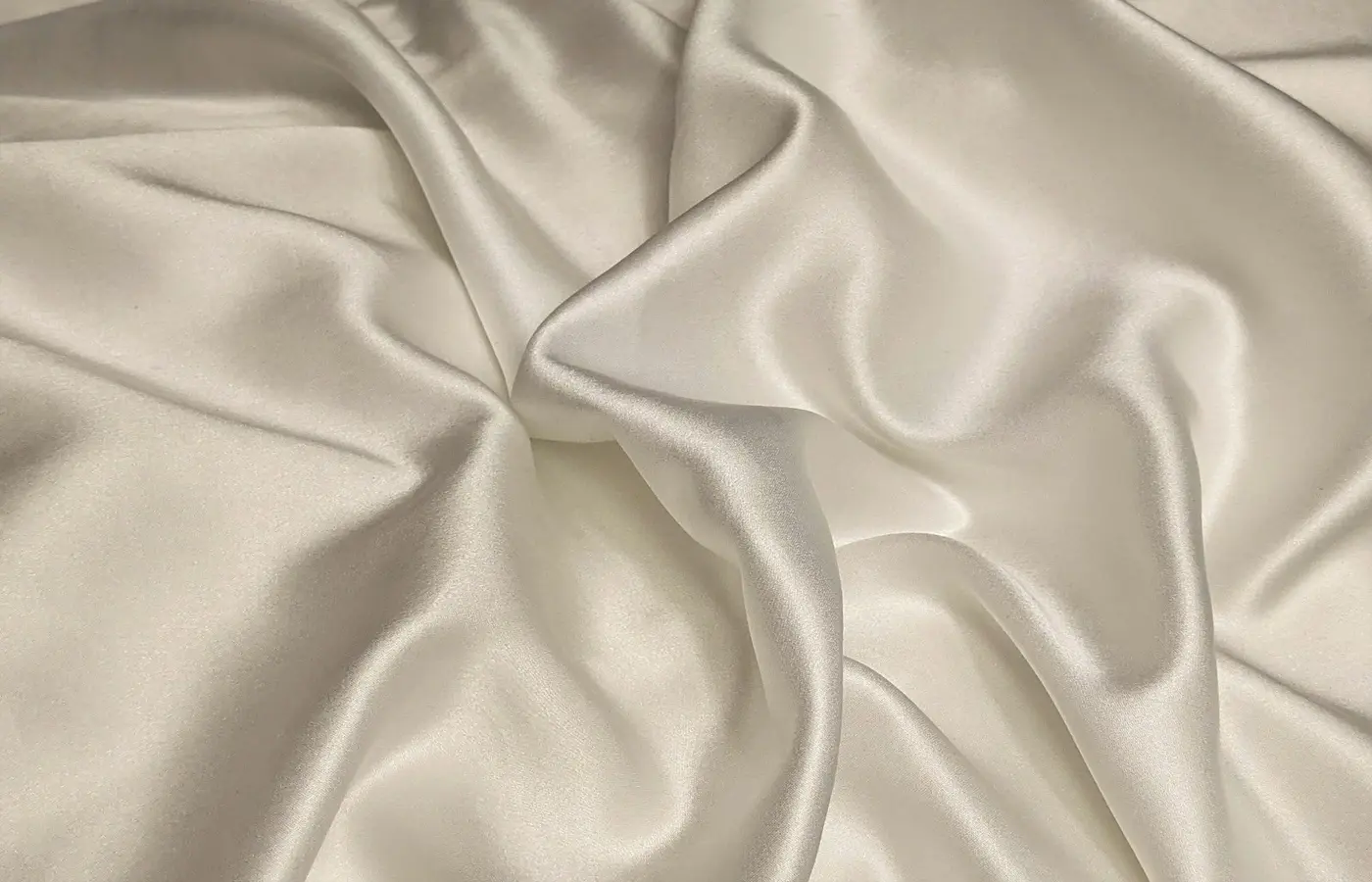
Choose coated paper finishes by comparing glare, image appearance, readability, handling, and finishing requirements on the actual grade.
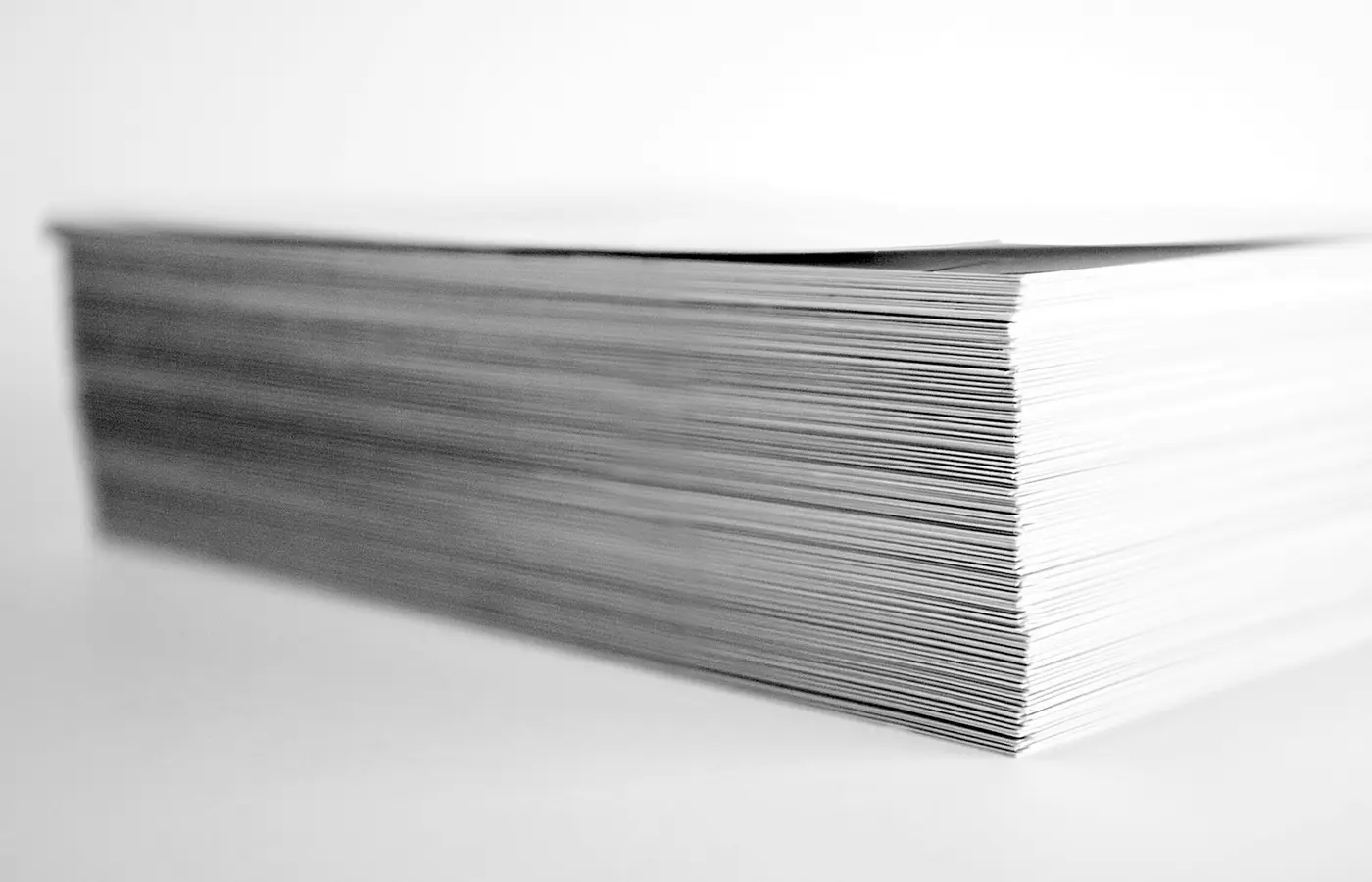
Learn how to convert paper GSM to the weight of one sheet, 500 sheets, or 1,000 sheets using dimensions, count, and clear checks.
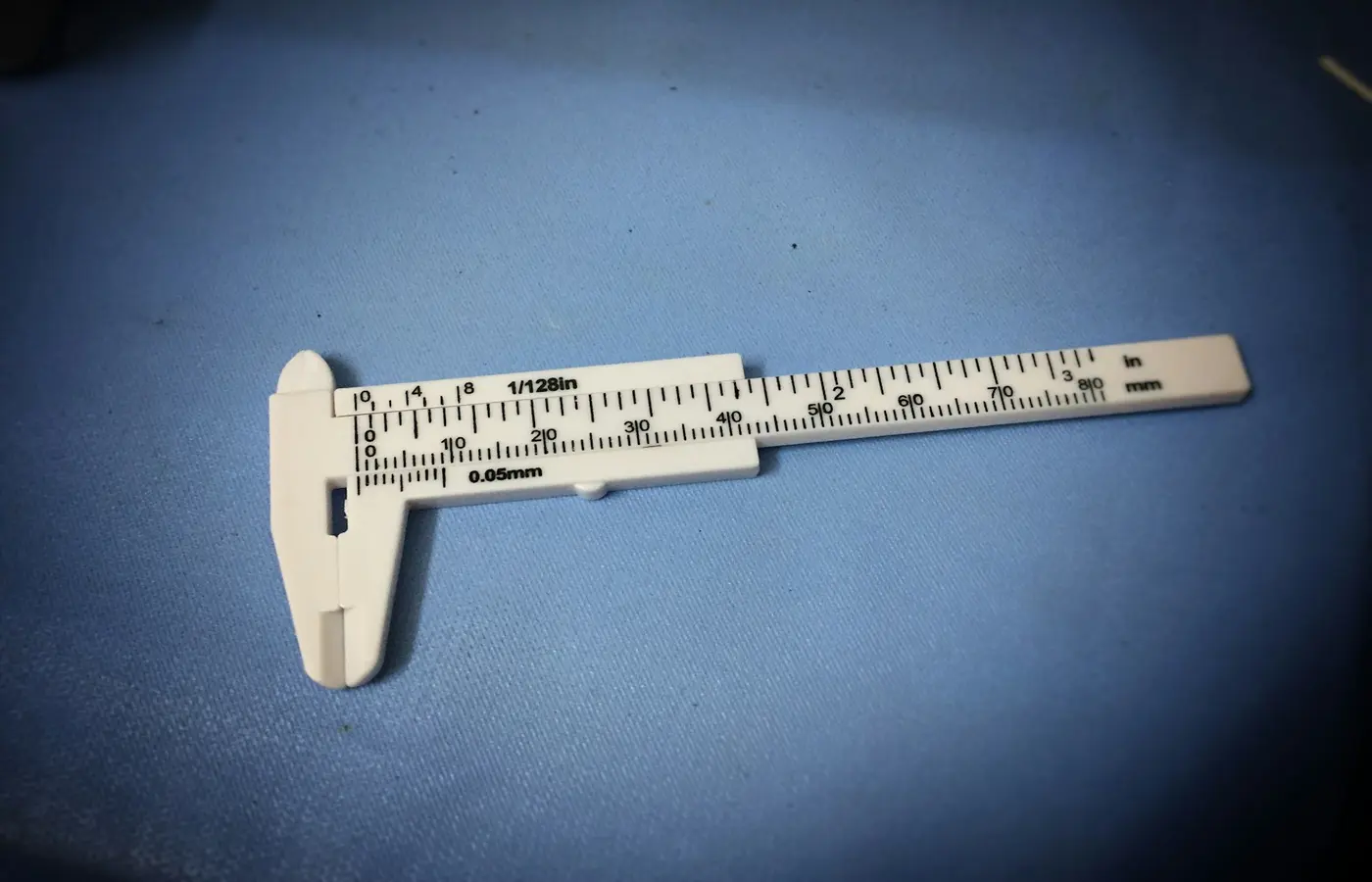
Learn how paper bulk, caliper, grammage, stiffness, grain direction, and finishing affect finished thickness, folding, and handling.
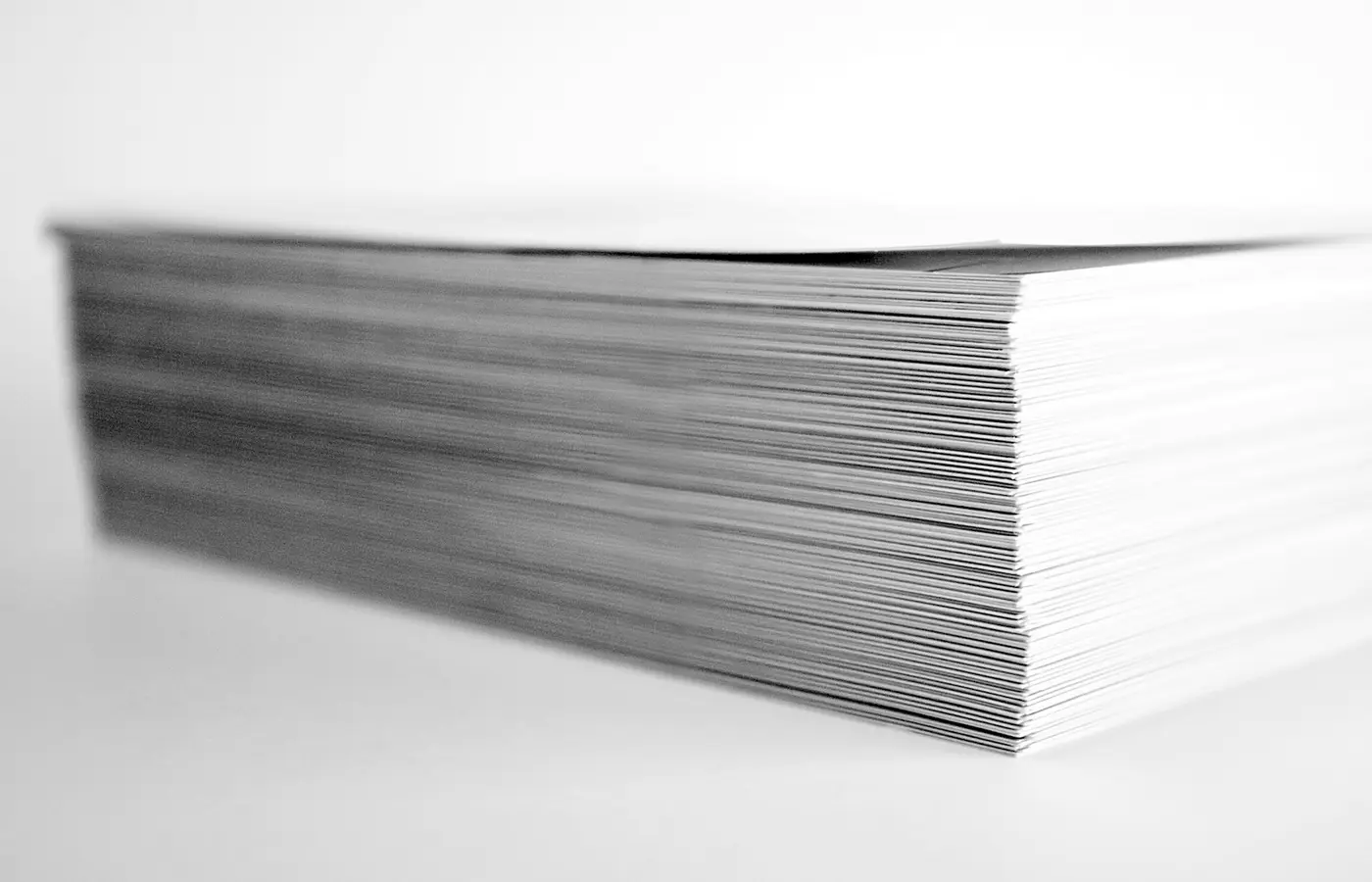
Specify paper opacity for printing with the right test method, job conditions, and visual approval check—not grammage alone.

Learn how paper grain affects folds, binding, cracking, curl, die-cutting, and finishing—and how to verify direction before production.
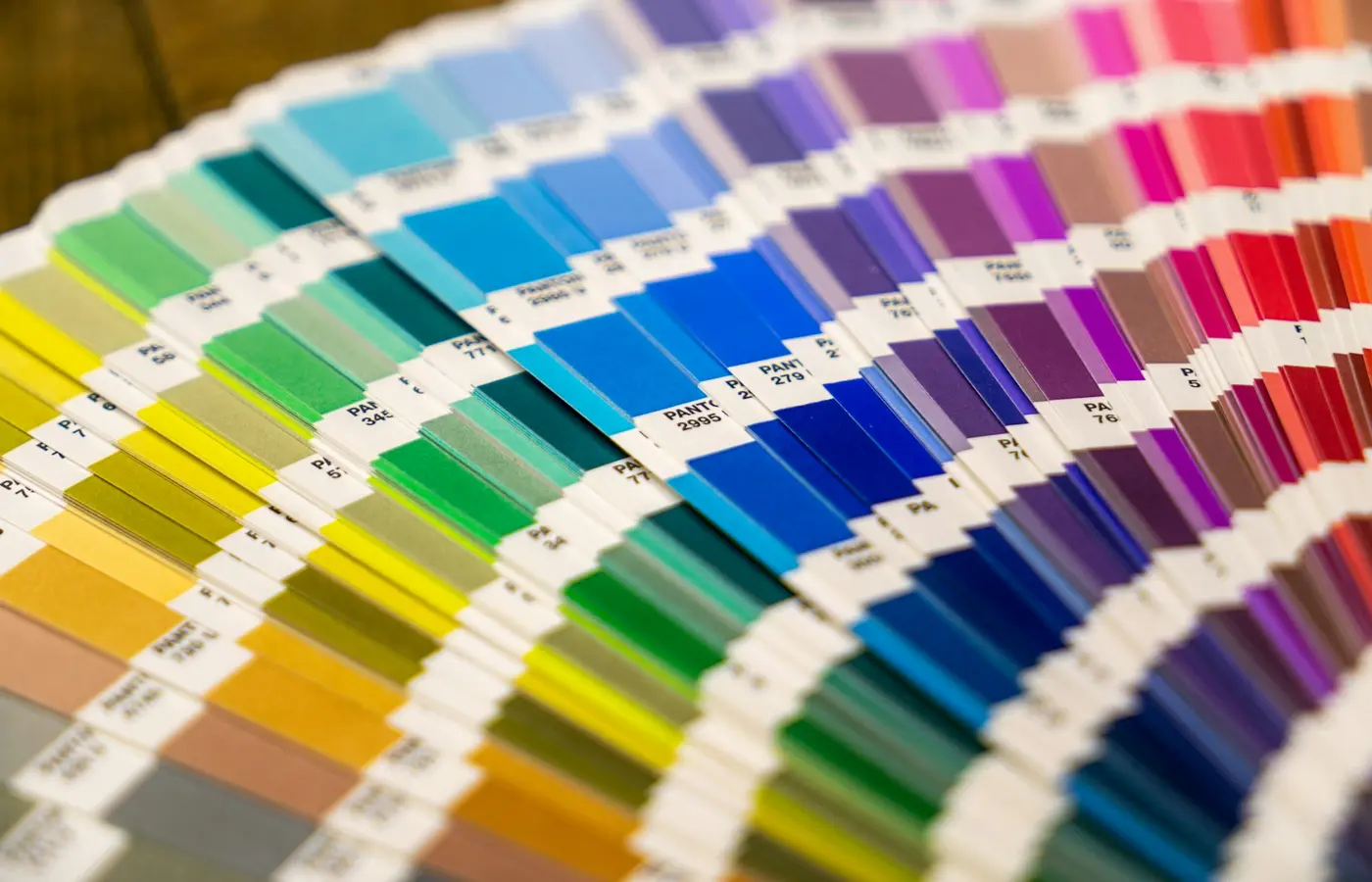
Choose coated or uncoated paper by comparing ink holdout, colour, detail, readability, writing needs, drying, and finishing requirements.
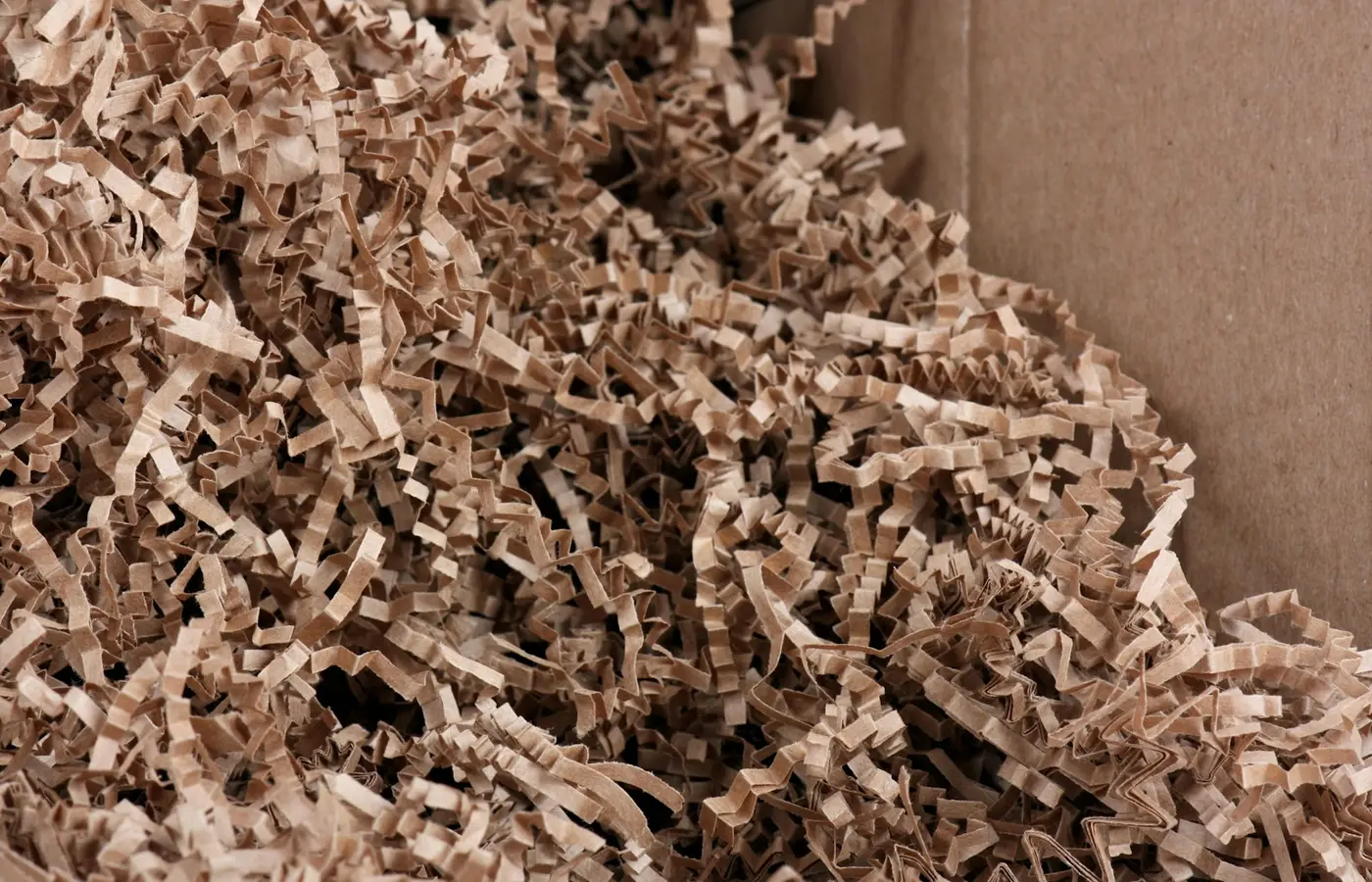
A practical guide to conditioning paper, controlling moisture imbalance, and diagnosing curl, register drift, feeding, and finishing faults.

Learn how paper grammage, caliper and bulk differ, what they change in print and folding, and how to specify and approve the right sheet.
Learn how to specify paper grain direction for folds, book spines, scoring, binding, imposition, stock checks, and finishing trials.
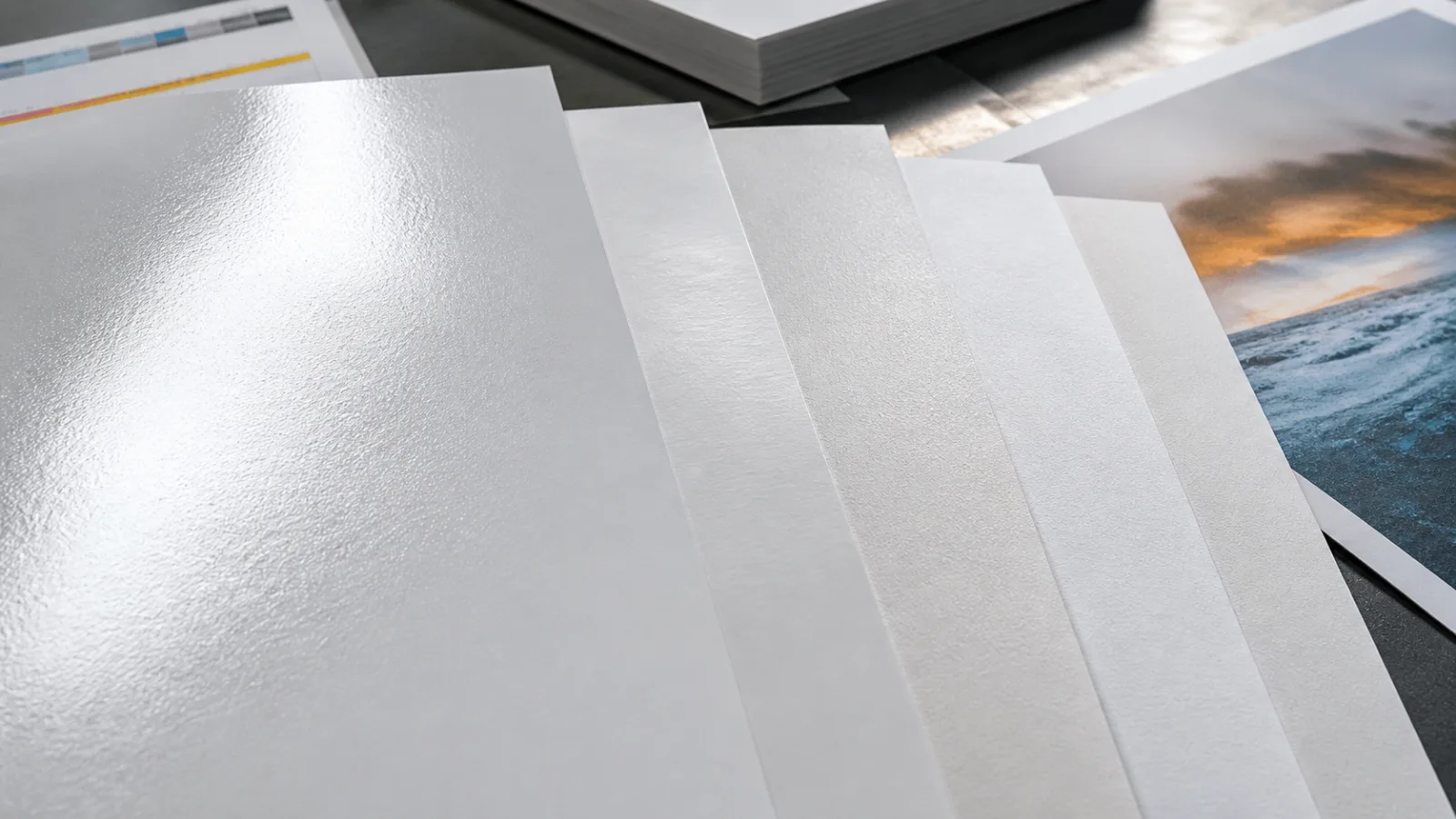
Learn how paper coating changes ink holdout, detail, glare, folding and cost—and when gloss, silk or matte stock is the right specification.
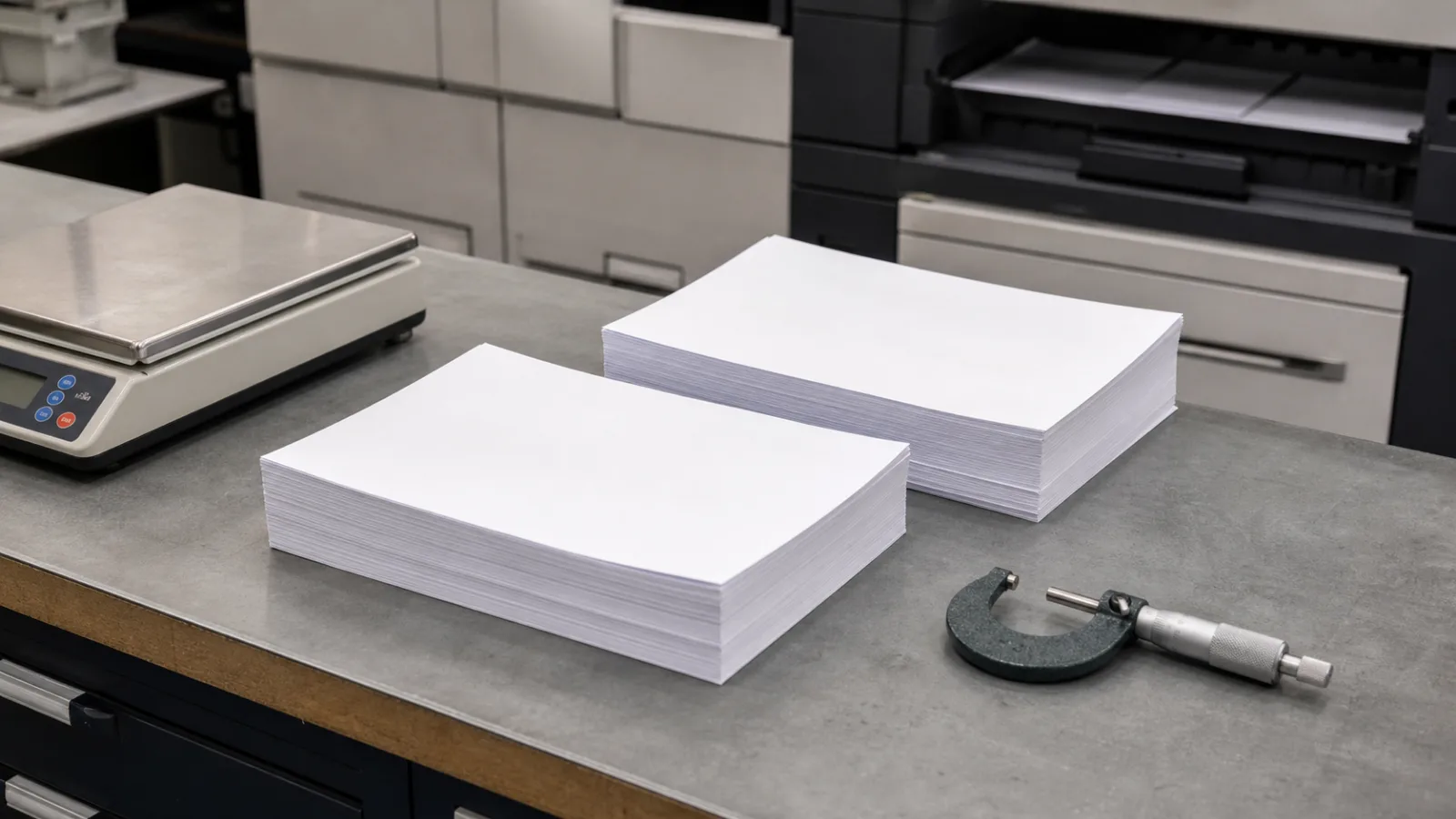
Compare 70 GSM and 80 GSM paper for feel, opacity, printer feeding, document bulk, mailing weight and everyday purchasing decisions.
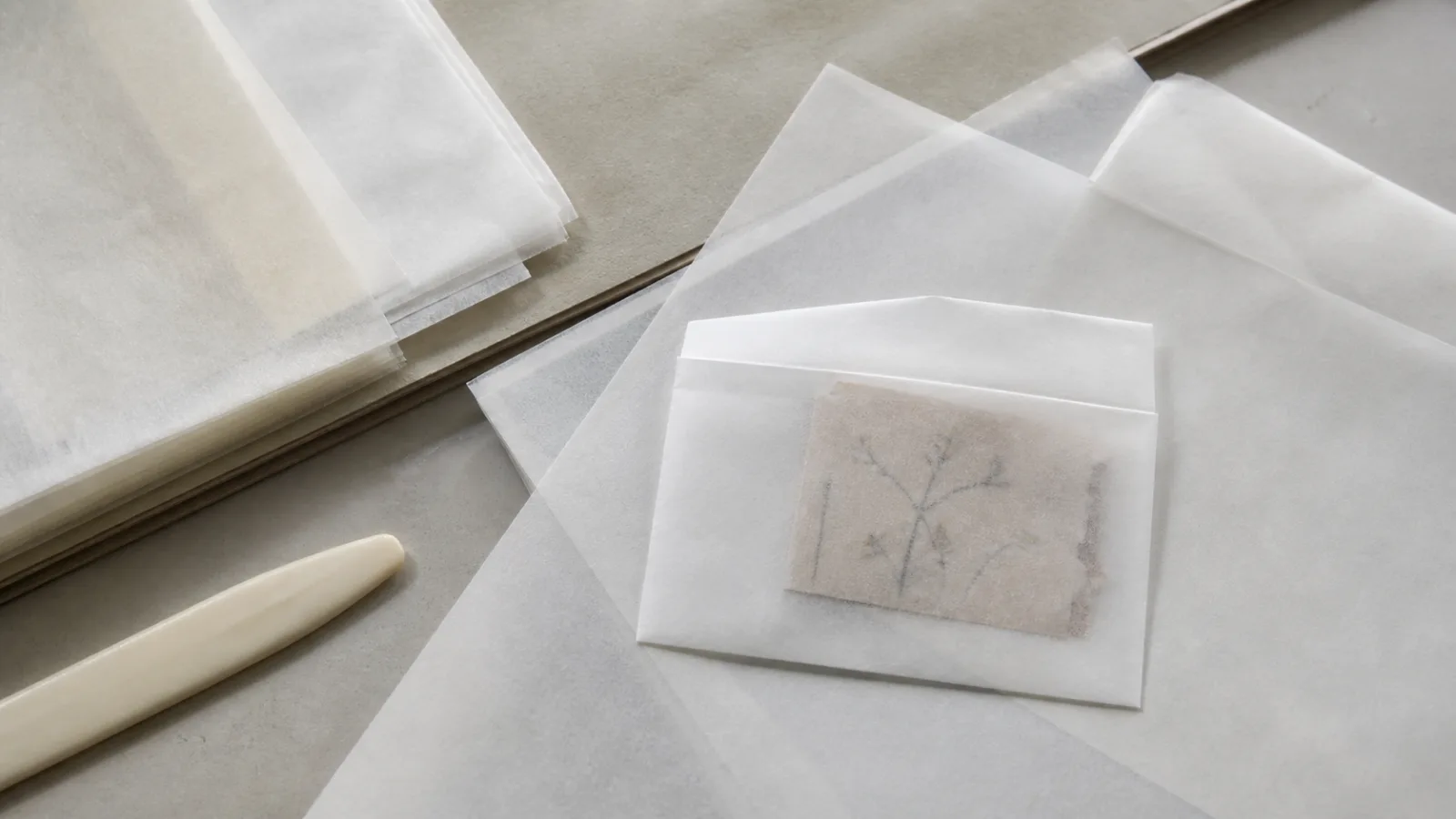
Understand how glassine gains its smooth translucency, where it is used, what it protects against and which conversions change recycling.
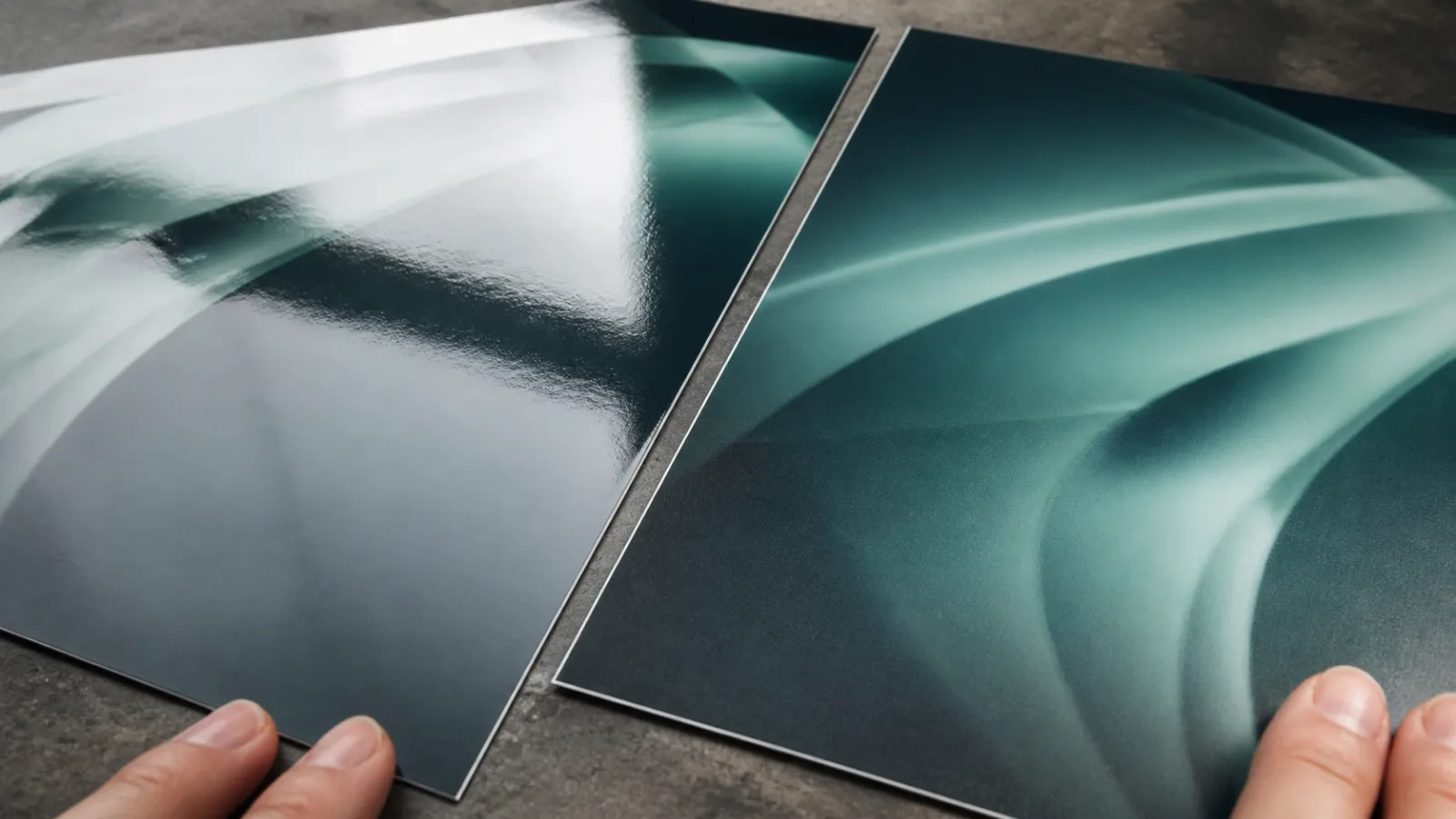
Compare glare, colour, fingerprints, readability, writing and finishing before choosing glossy or matte paper for a print job.